As the Veil Thins: Samhain (A Witch’s New Year)
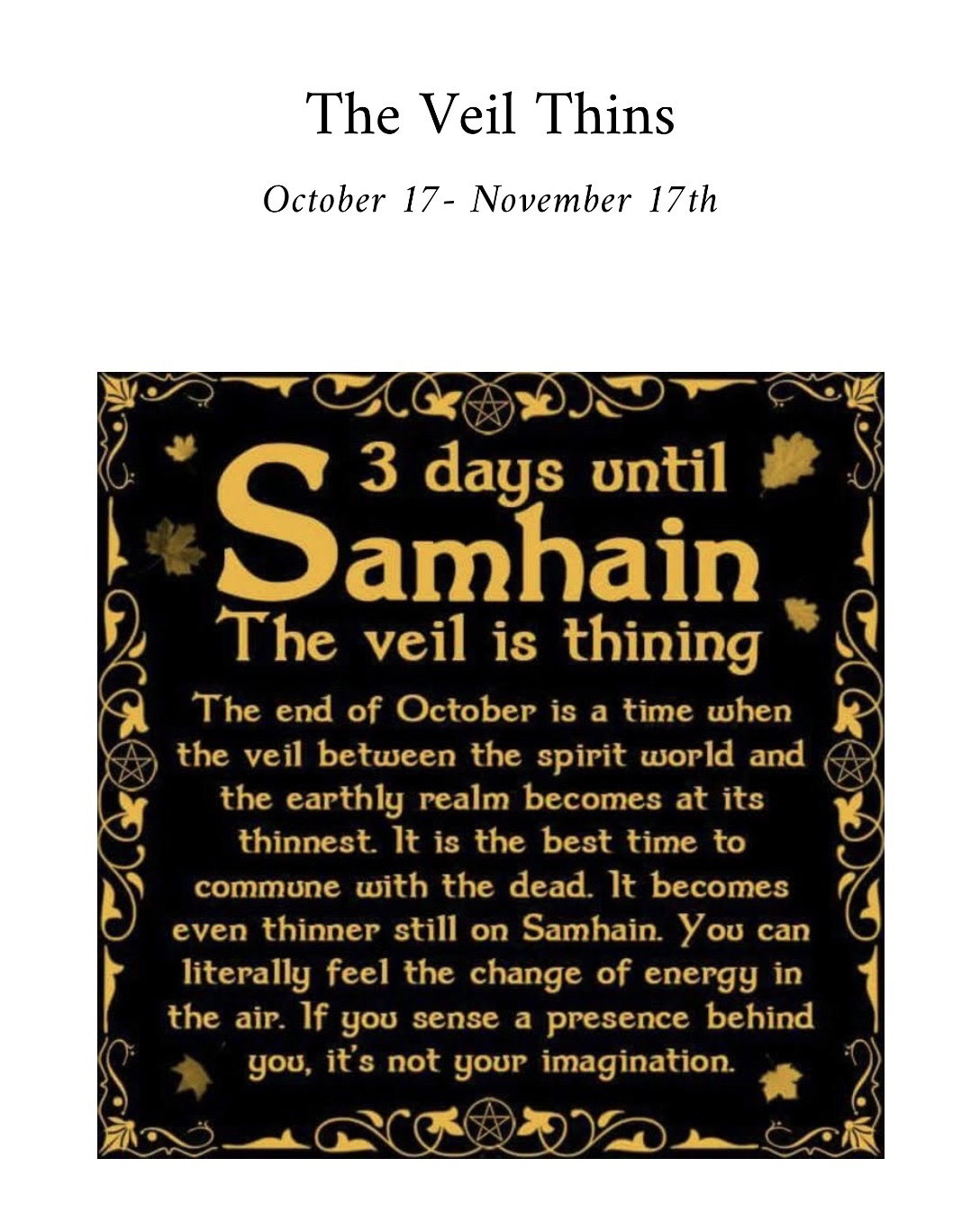
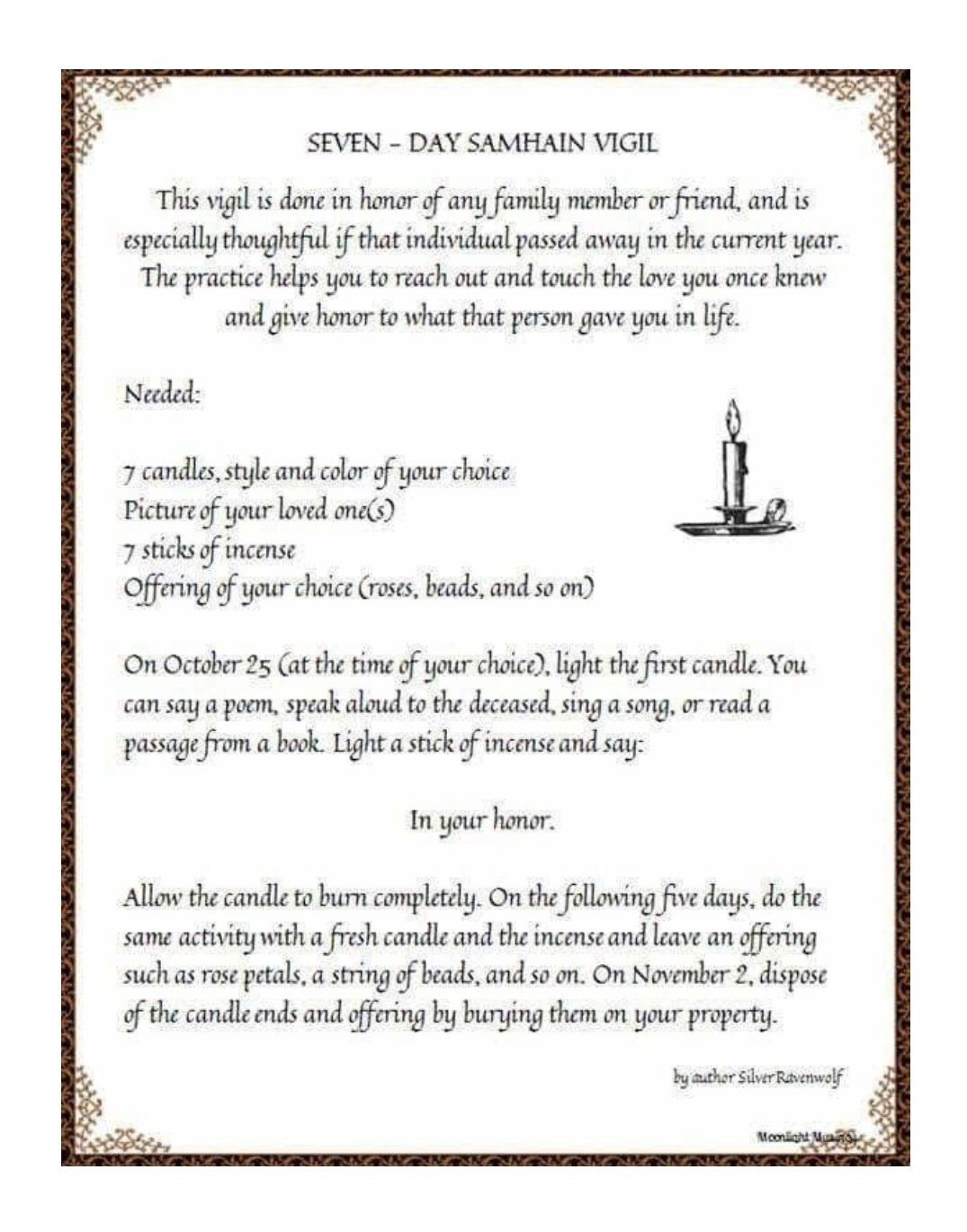
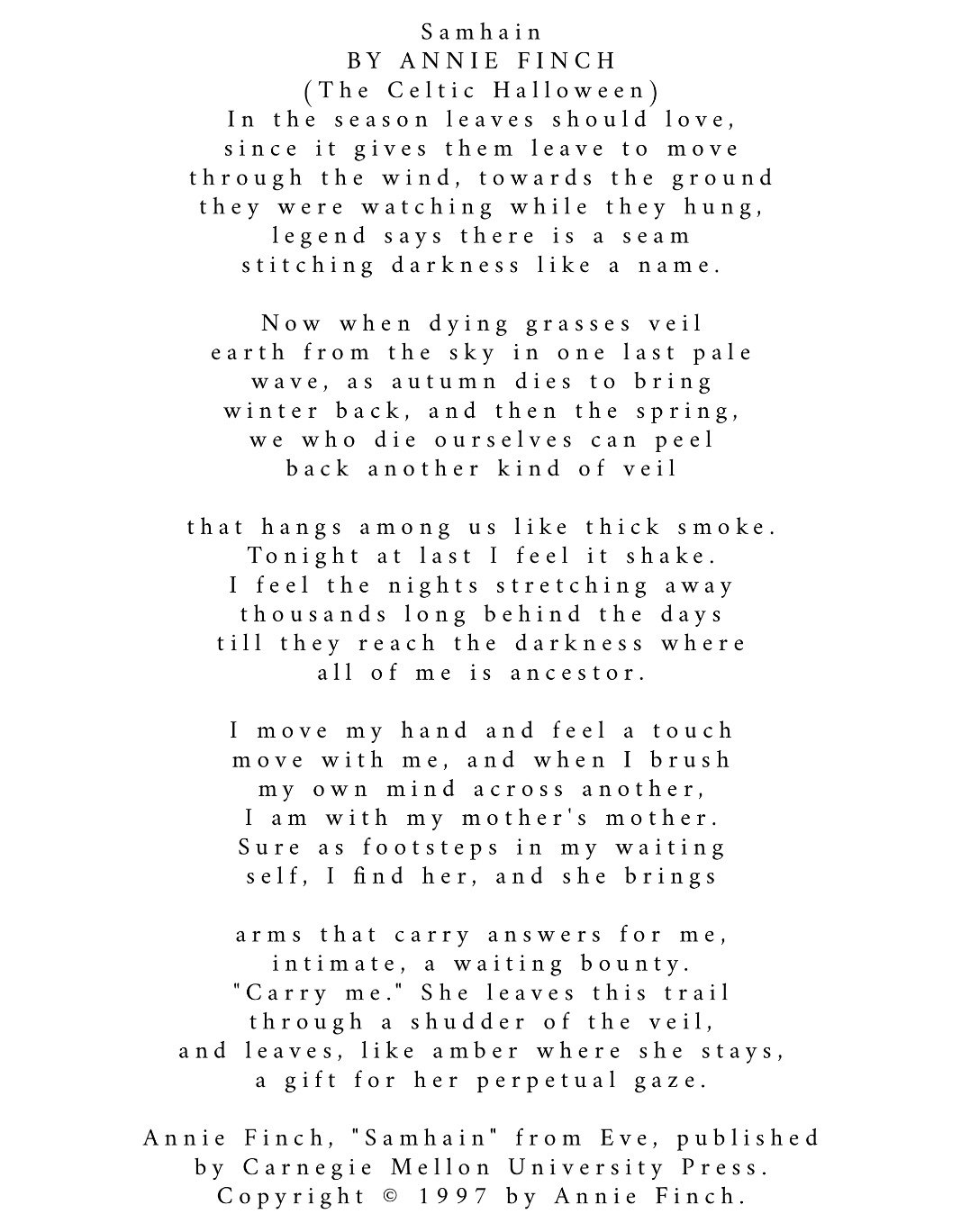
When most people think of Samhain, they do not generally thinkabout sexuality or fertility. Although Samhain is a time for self-reflection and cleansing, it also includes divination and projecting for the spring. Samhain is when the Veil between the spirits and the living is the thinnest, and many practitioners use this time to communicate their desires to the deities, in hopes that their projections will be heard clearly. We also use this time to honor our ancestors, friends, pets, and other loved ones who have passed on.
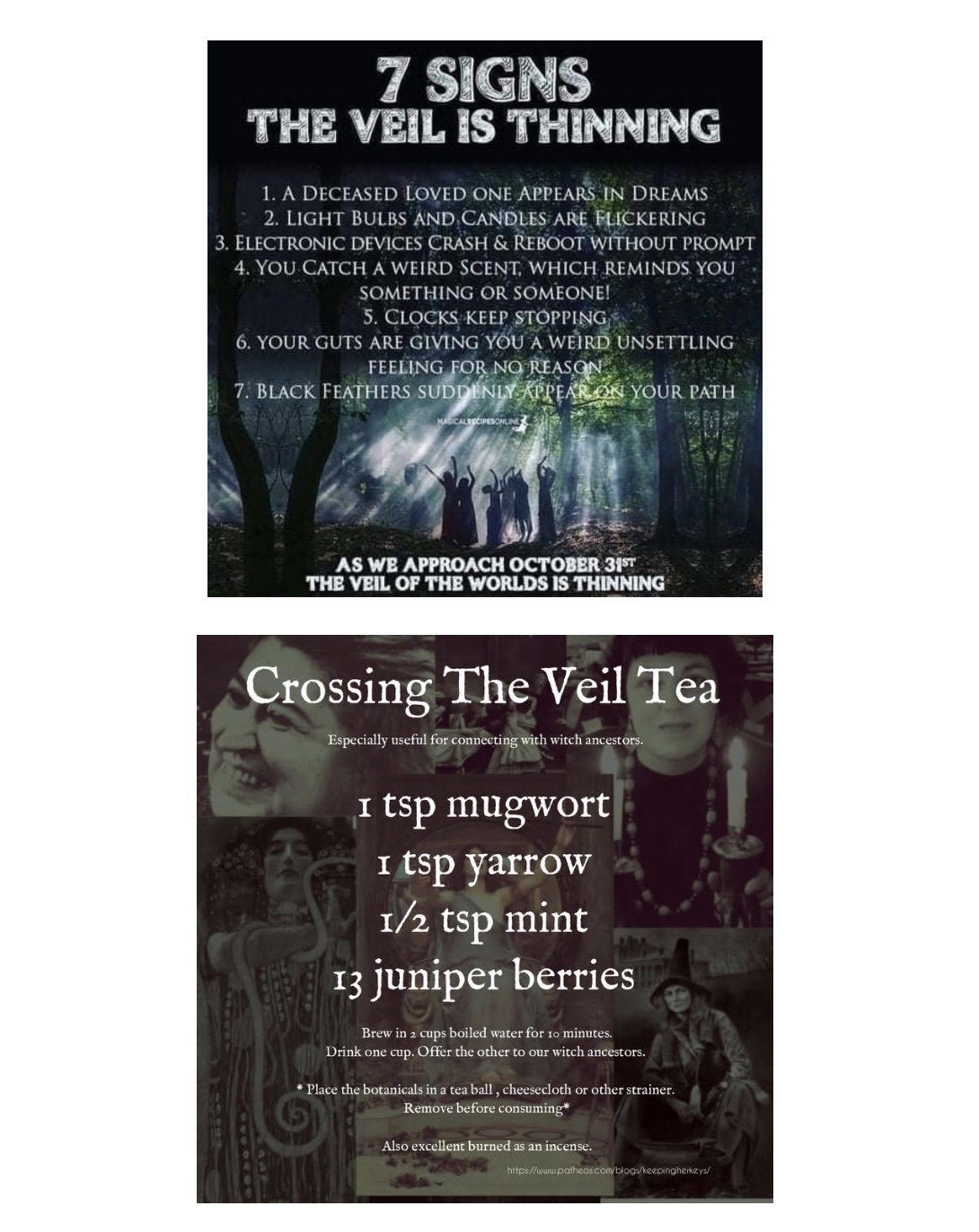
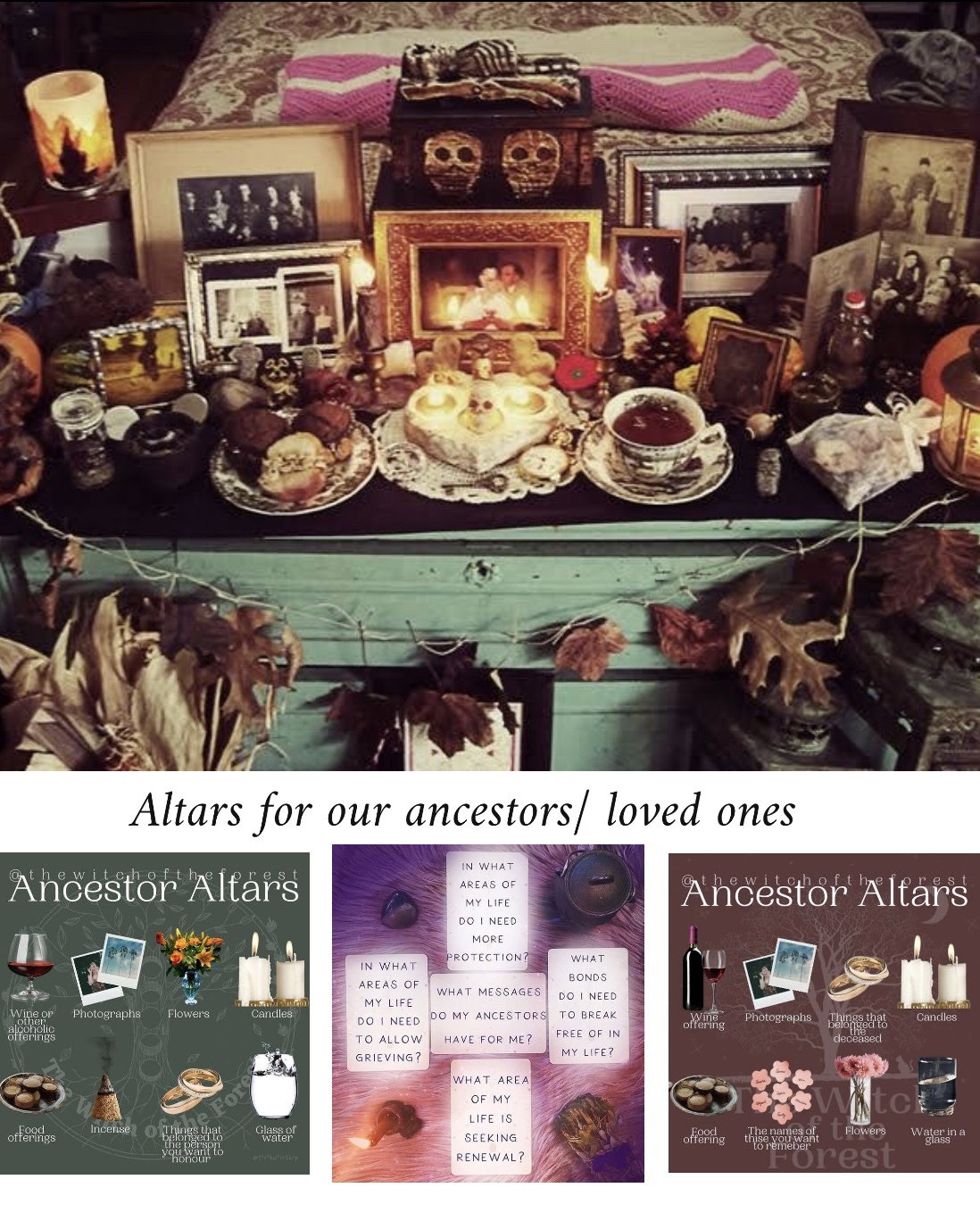
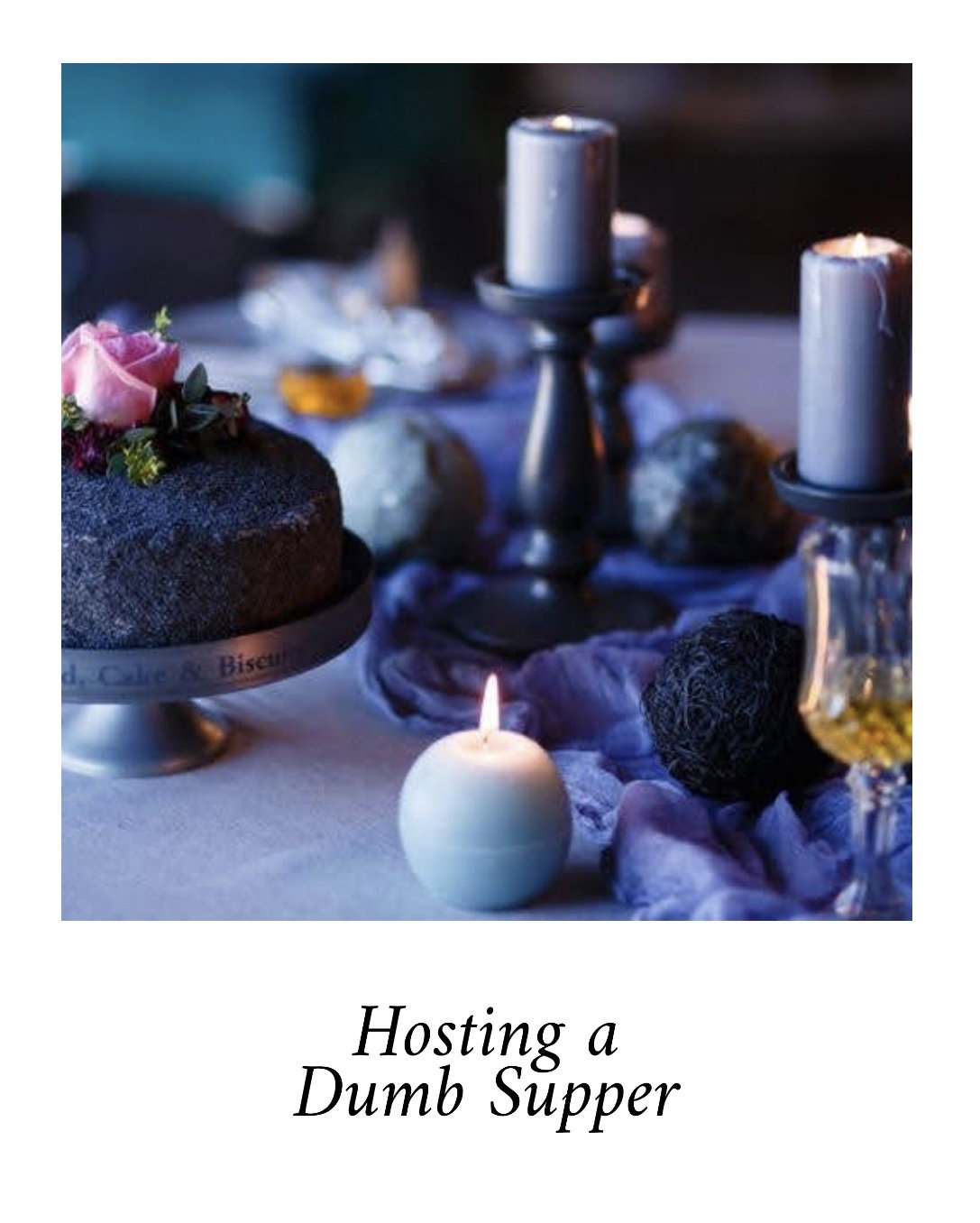
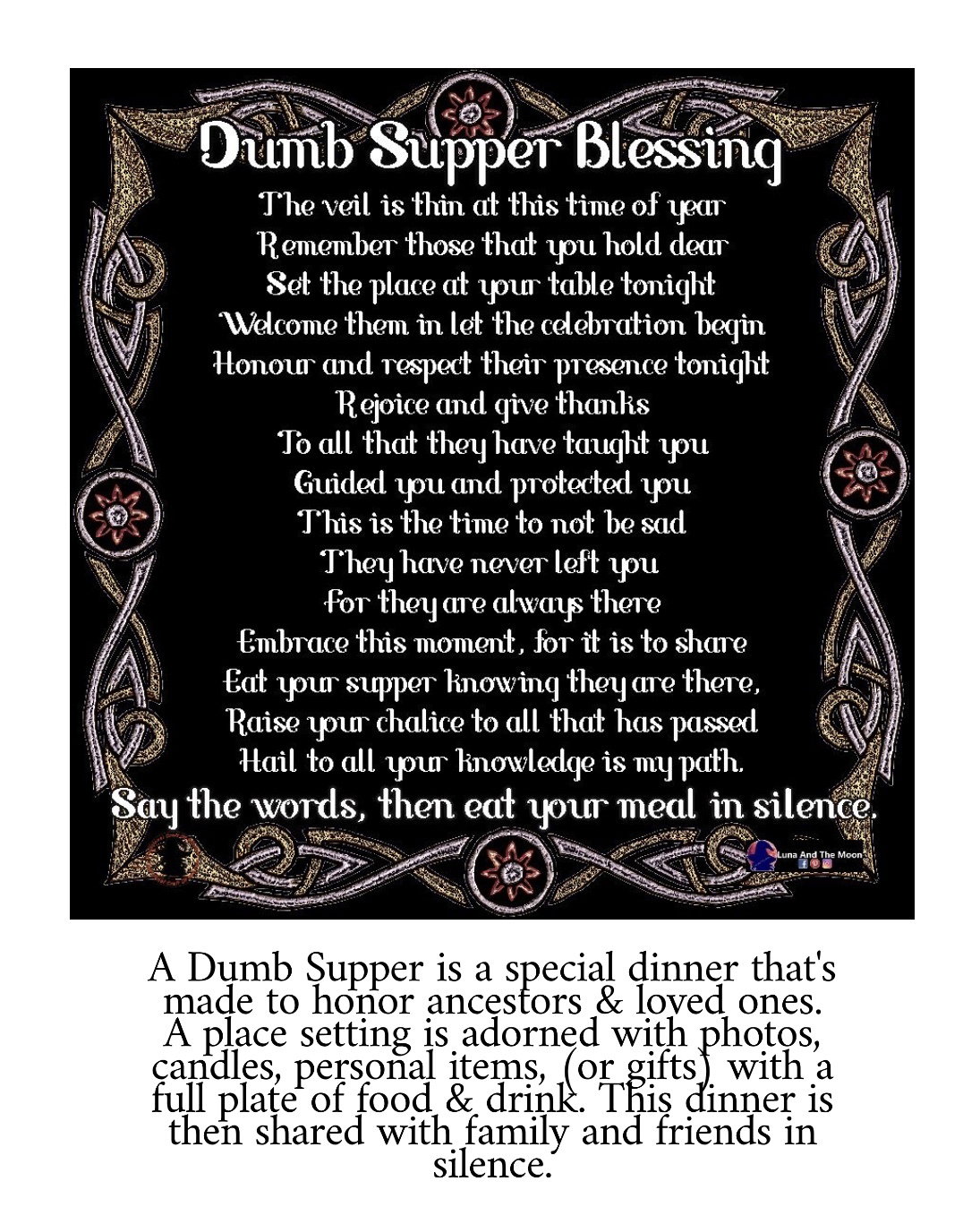
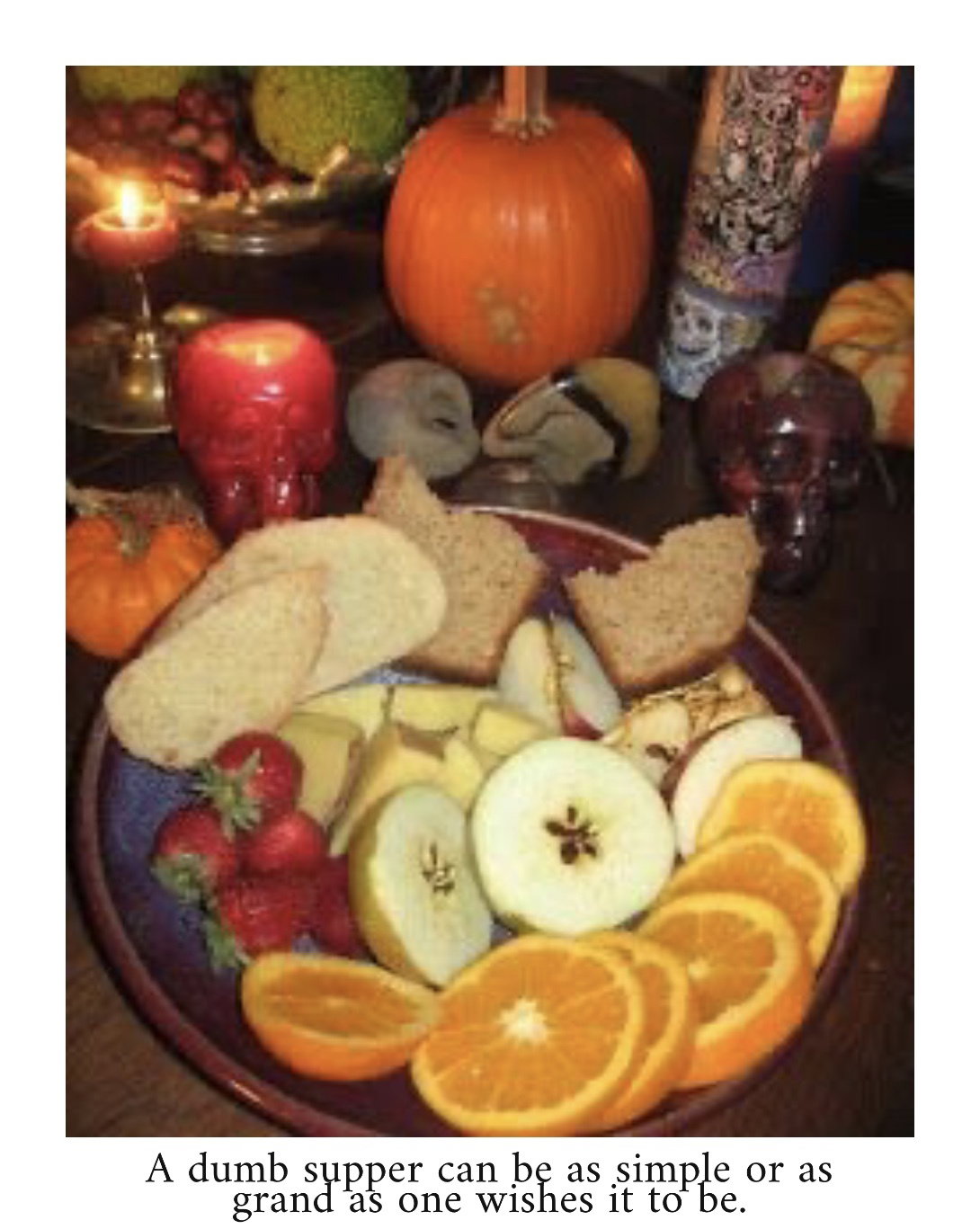
So, what exactly is Samhain? Samhain is a Gaelic festival marking the end of the harvest season and the beginning of winter, or the “darker half” of the year. The nights begin to get longer, the days are getting shorter, the weather starts to get colder, and nature around us begins to die or hibernate for the winter. Samhain is halfway between the Autumn Equinox and the Winter Solstice. In past traditions, and in modern farmlands, this is when cattle are brought from summer pastures and livestock are slaughtered in order to feed the farmers for the winter. The boundary, or the Veil, between this world and the Underworld is the thinnest, so spirits can more easily come into our world, and souls of the dead kin are thought to revisit homes seeking hospitality, so a place is often set at the table for them during the Samhain meal – often called a “dumb supper,” as many traditions sit in silence during these dinners. Samhain is seen as the festival of darkness, which is balanced at the opposite point of the Wheel by Beltane, the festival of light and fertility.
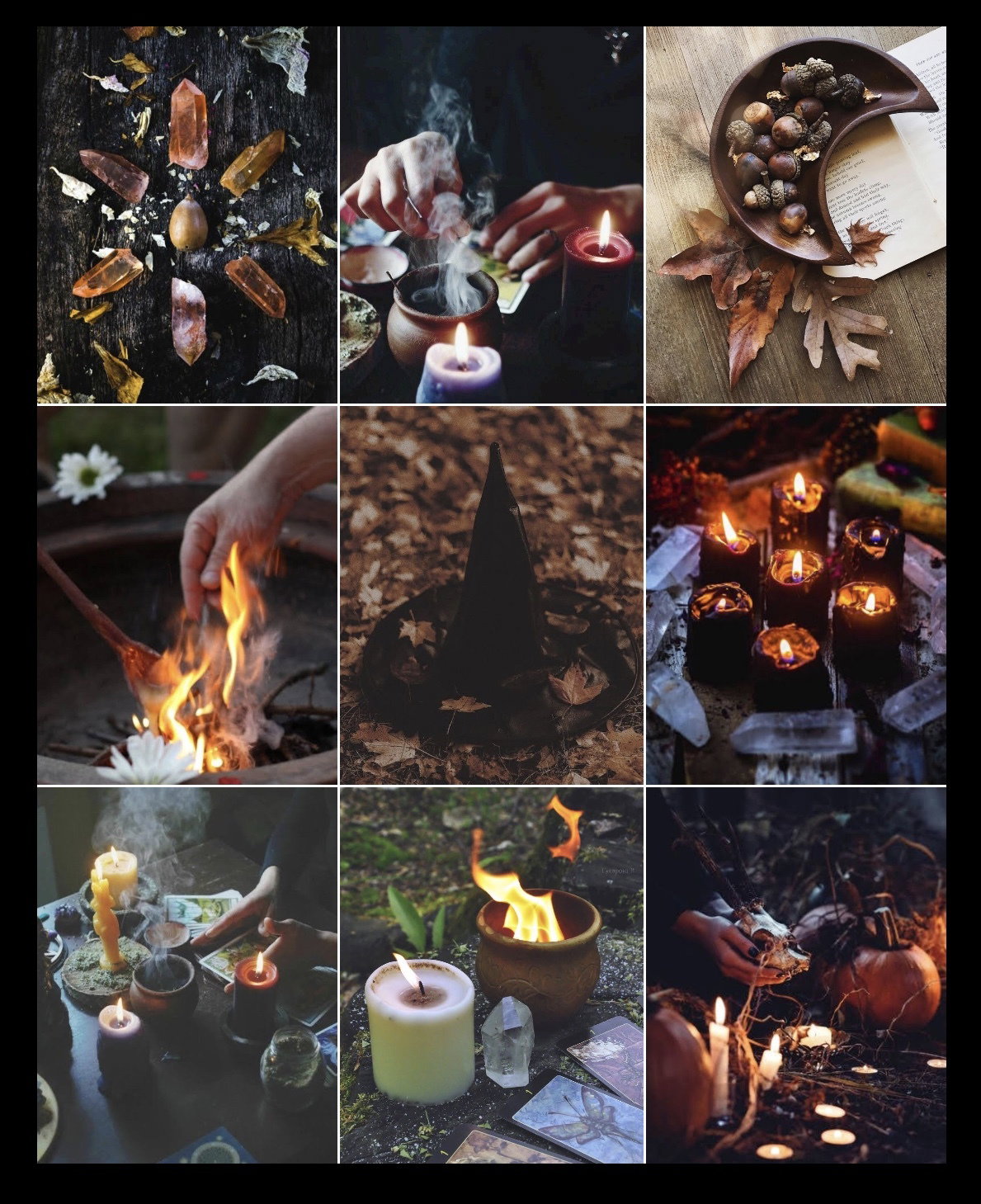
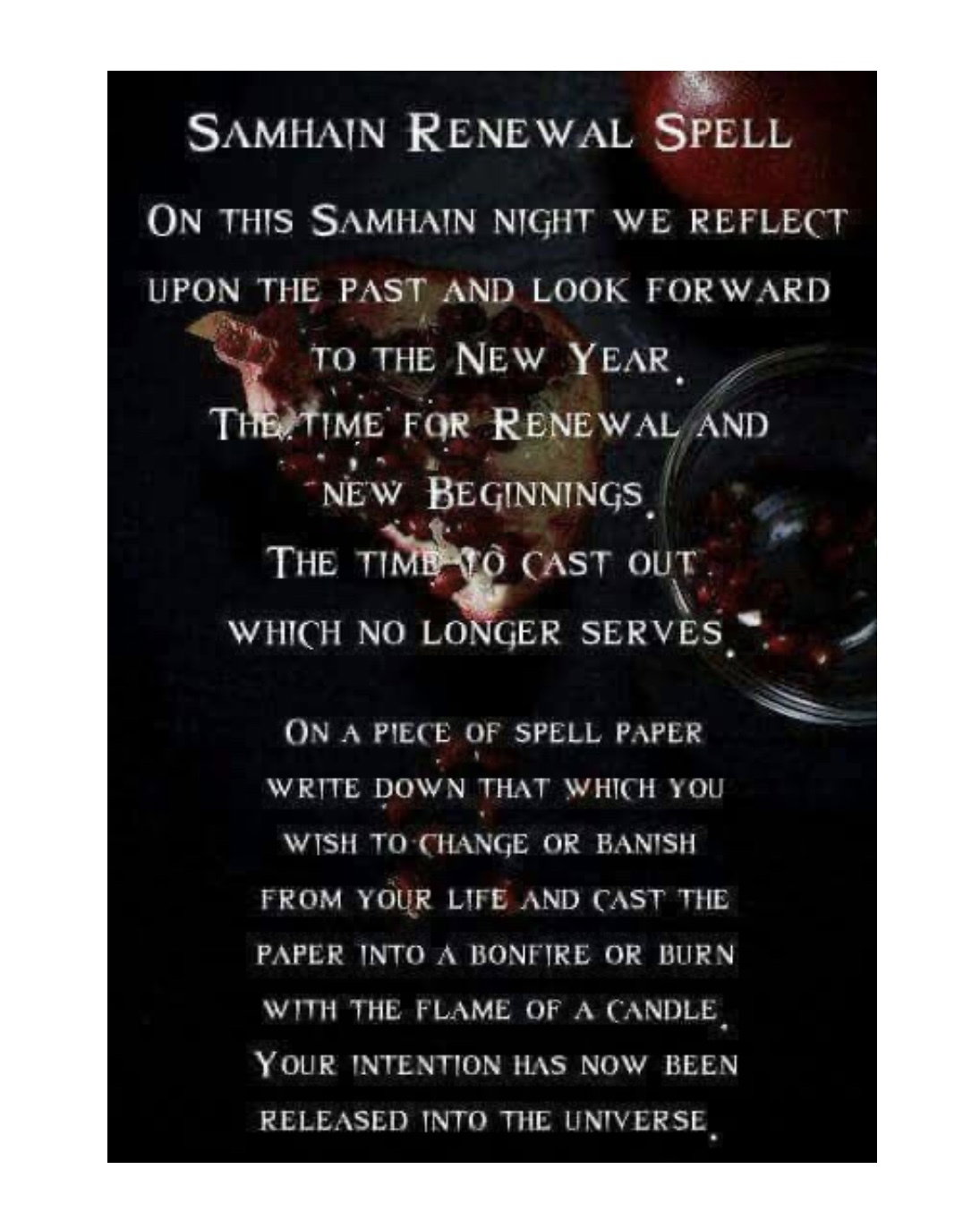
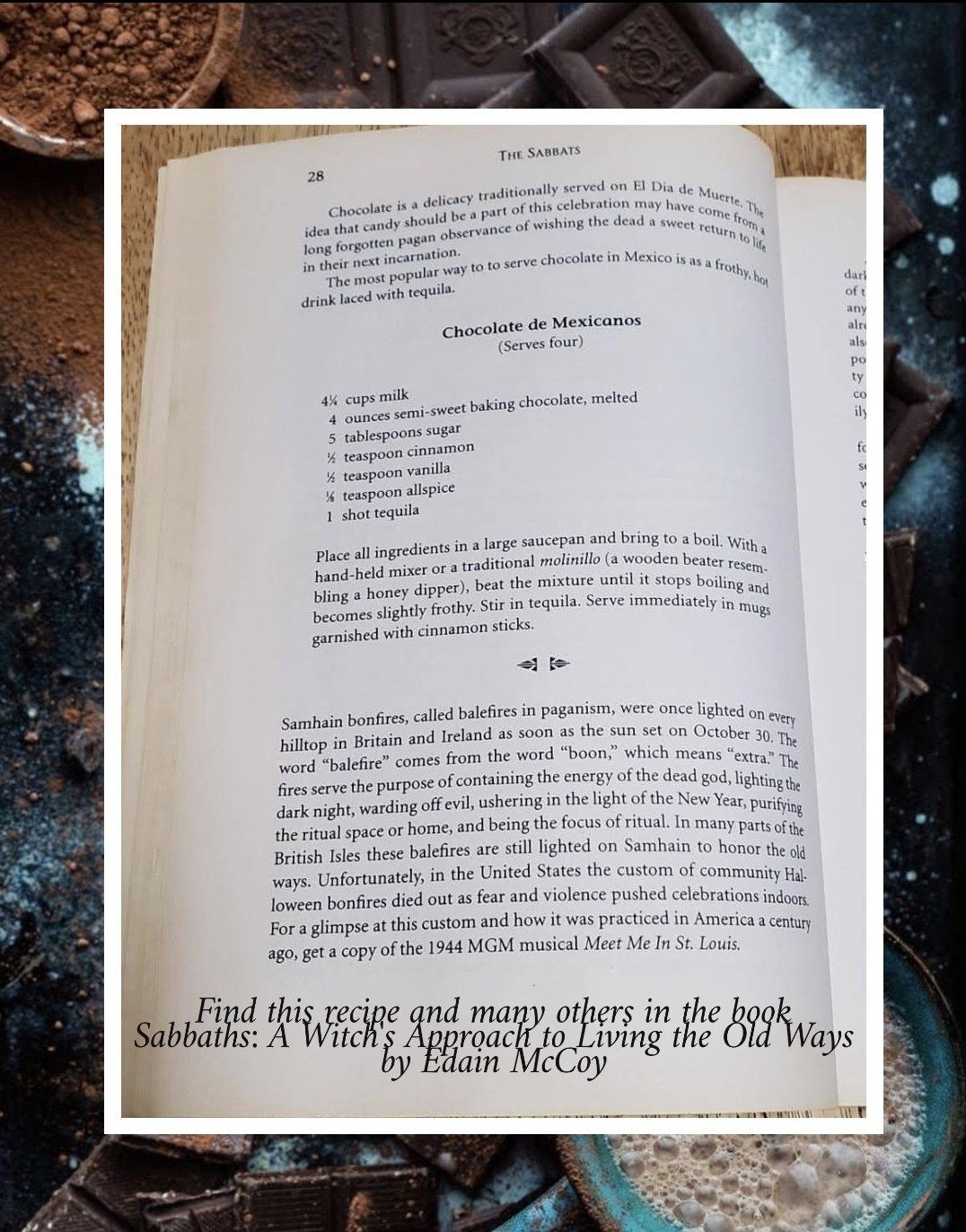
Bonfires are often lit during Samhain for their protective and cleansing powers. Practitioners hold rituals where they write on a piece of paper something they want to do away with in the upcoming seasons and they throw it into the fire. Bonfires are considered an imitative or sympathetic magic, believed to mimic the sun, helping the “powers of growth” and holding back the decay and darkness of winter. They are also believed to invite the goddess Hecate, who held her torch for Demeter as she searched the Underworld for her daughter, Persephone.
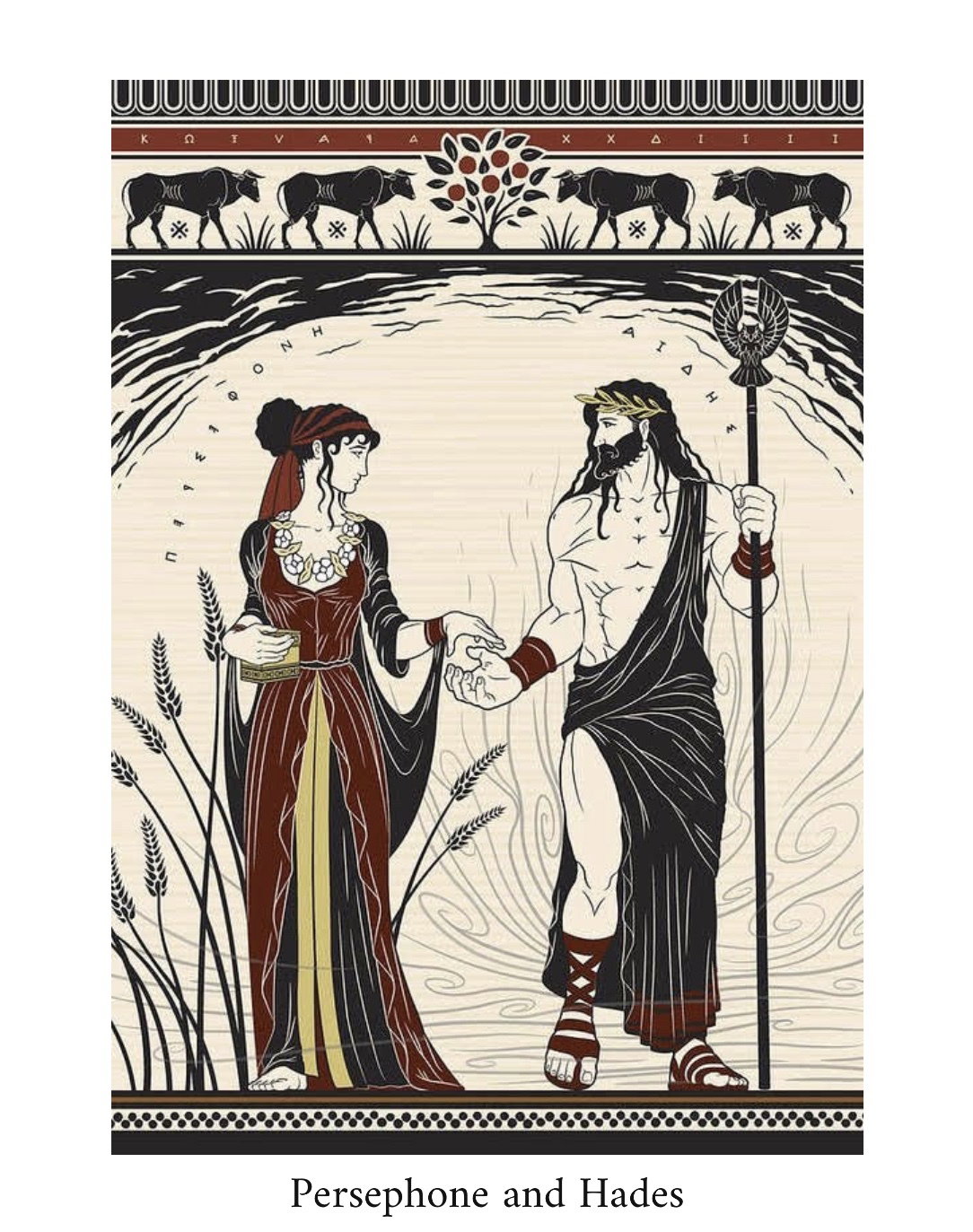
Most of us have heard the story of Persephone. The original story is that Demeter was in charge of the Underworld but allowed Hades to rule without her as she preferred the living world up above. Her daughter, Persephone, pitied the souls who had no one to greet them or show compassion, and so she followed a hare down a hole, which became a cave and led her to the Underworld. Hades fell in love with her, and eventually she loved him as well, and she chose to stay. With this, Demeter became distraught, and the earth suffered in her sadness as she allowed nothing to grow until Persephone returned home. When Persephone heard of this, she returned home to her mother. However, before leaving, Hades fed her pomegranate seeds, which were considered the food of the Underworld, and so she became obligated to spend a third of the year down in the Underworld with Hades. Because Persephone’s temporary return to the surface represents her functions as the embodiment of spring and the personification of vegetation, which disappear into the earth when sown and sprout from the earth in the spring and are harvested when fully grown.
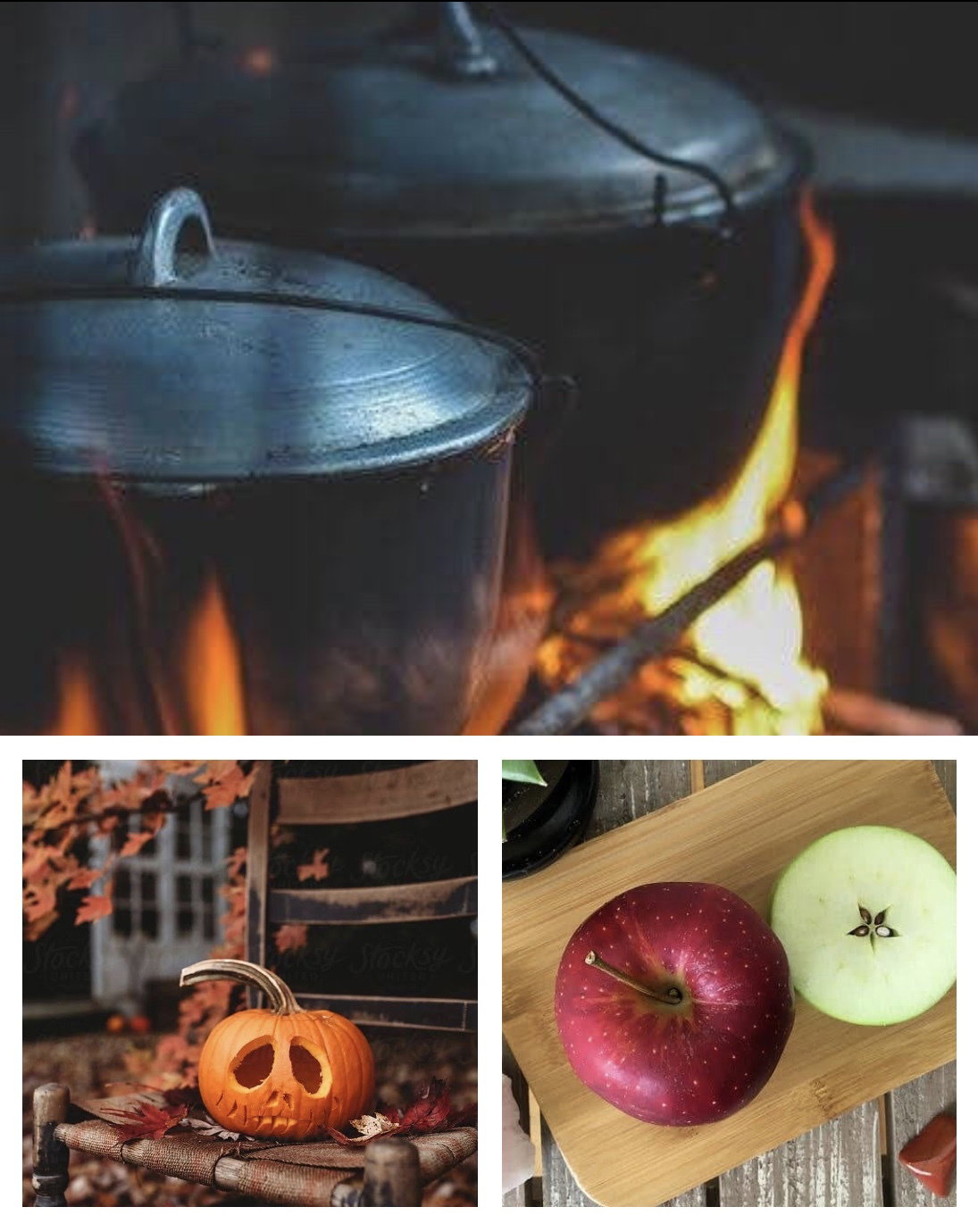
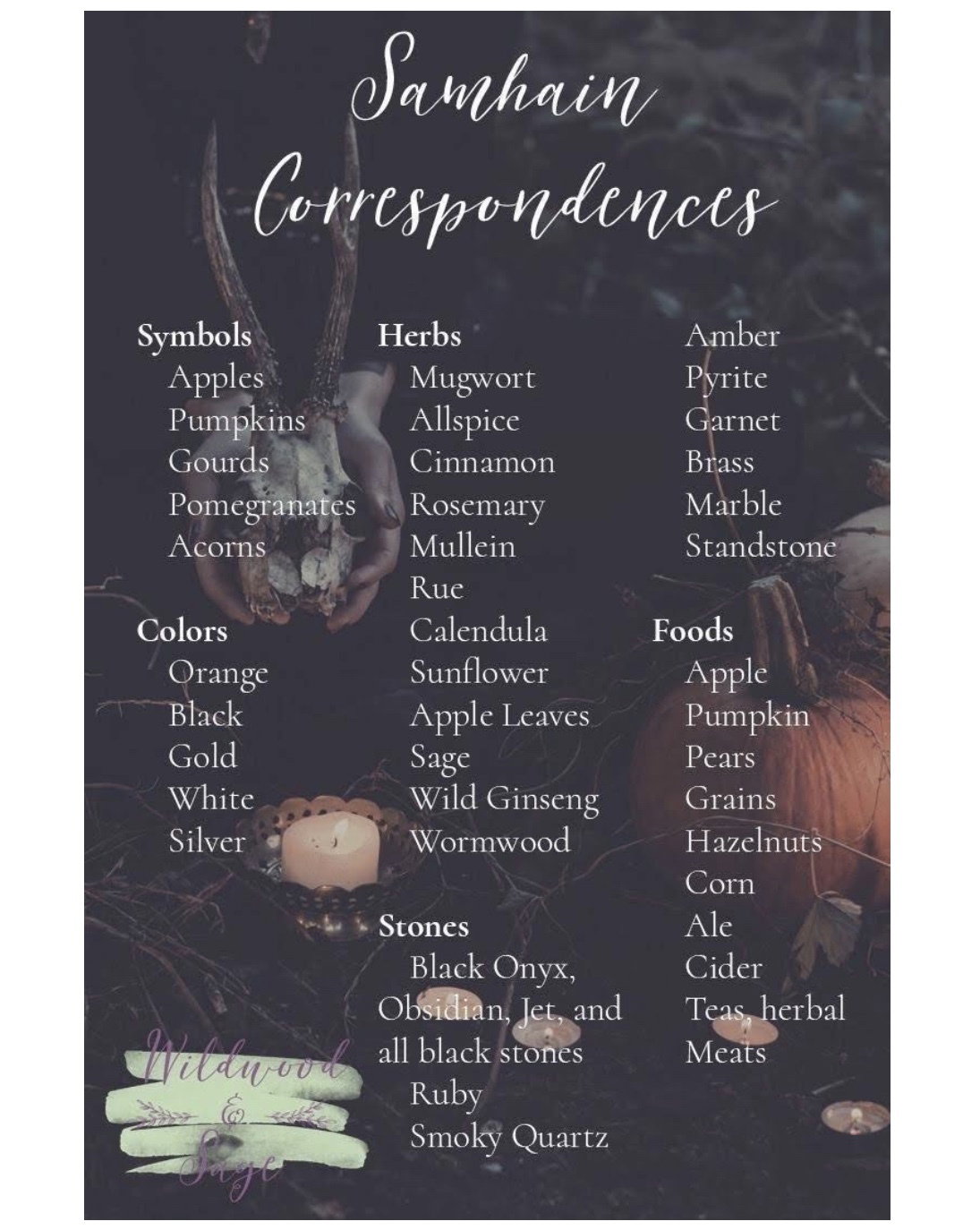
Click Image Above to see Our Samhain Board on Pinterest
Hecate is associated with boundaries and the spaces between worlds. She is considered the crone phase of the triple goddess (Persephone representing the maiden and Demeter the mother). She is an Underworld goddess who holds the keys that can unlock the gates between realms and unlock the gates of death and is considered a guardian of the journey to the afterlife. Because of her ability to travel between the worlds, this is whyshe accompanied Demeter in her search for Persephone.
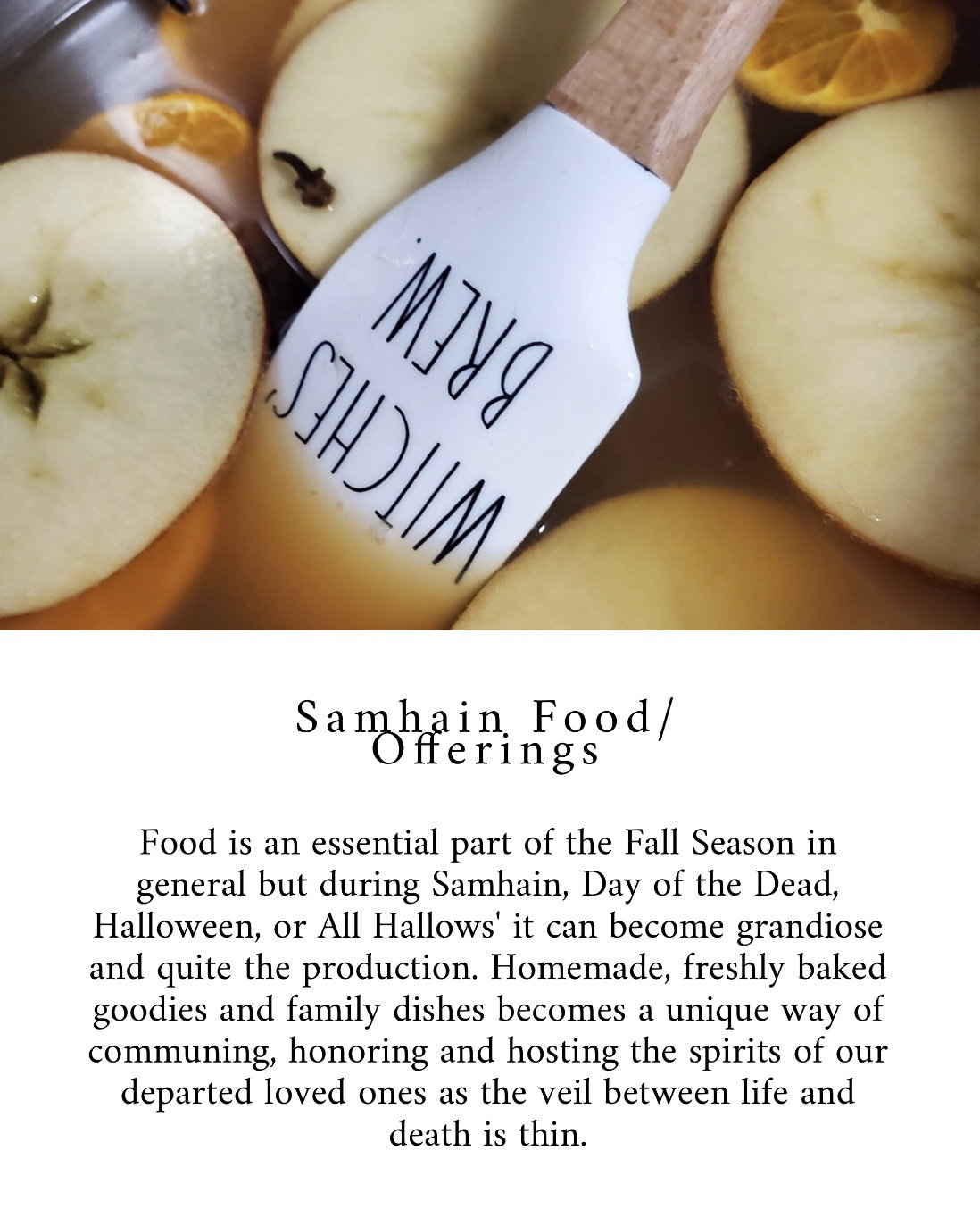
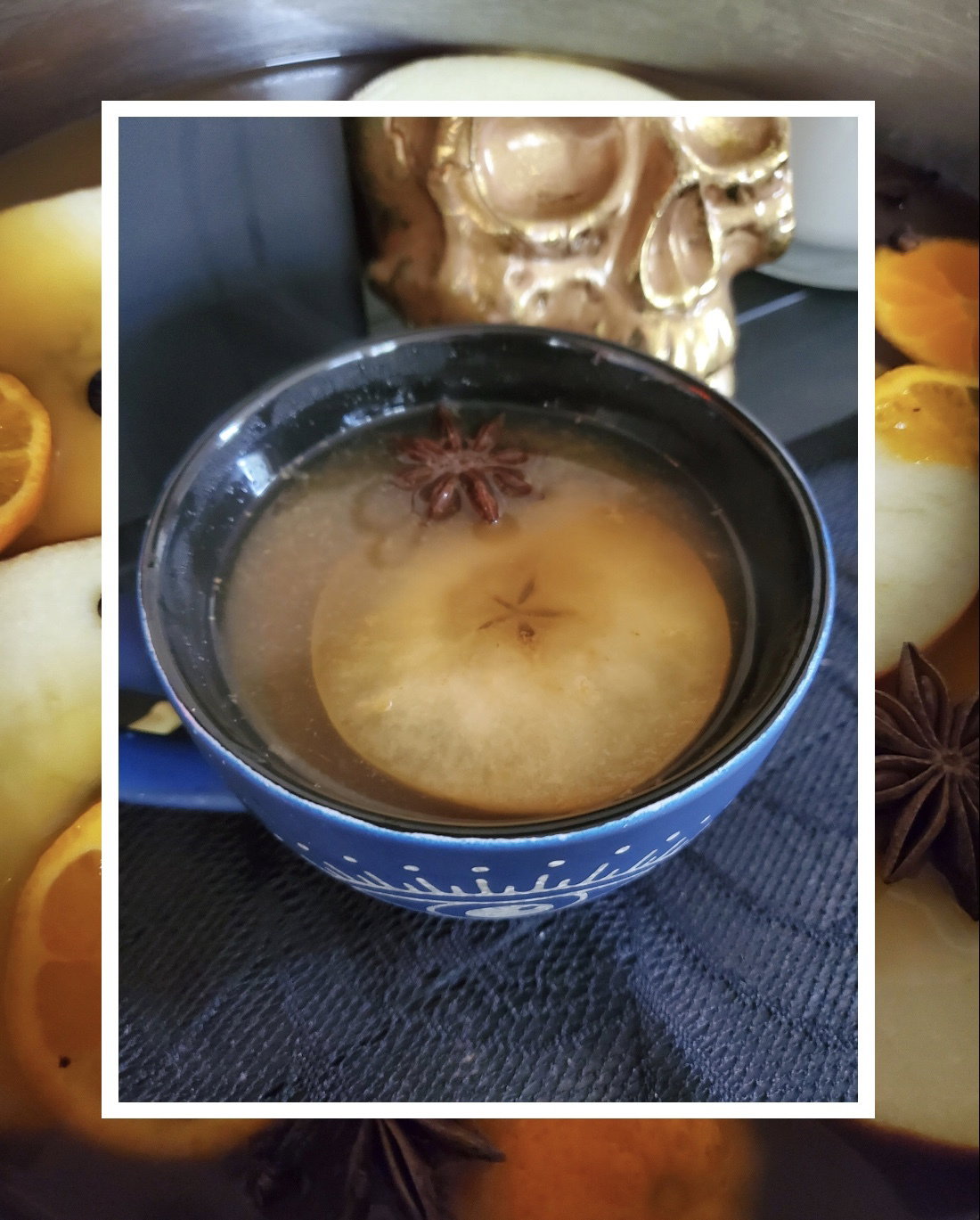
Where does sexuality and fertility fit into this dark sabbat? Well, consider your apple and your pomegranate. The apple has long since been associated with fertility and bobbing for apples was traditionally a female fertility ritual. When an apple is sliced open, the core is arranged like a pentagram, and it also looks remarkably like a vulva! The 1864 Chambers Book of Days said that apple bobbing has long been associated with predictions of future love, summoning a husband, and celebrating female fertility. On the other hand, although pomegranates are an aphrodisiac, they are considered the food of the Underworld, so apples and pomegranates exist at opposite ends of the spectrum as the foods of life and death. There has been controversy with the idea that the “apple” during the Adam and Eve story might possibly have been a pomegranate.
Many traditions in the past have used apples in fertility or love rituals. One game with apples involved hanging a small wooden rod from the ceiling at head high with a lit candle on one end and an apple hanging from the other. The rod was spun around, and everyone took turns trying to catch the apple with their teeth. Apples were then peeled in one long strip, the peel was tossed over the shoulder, and its shape was said to form the first letter of the future spouse’s name. Another ritual using hazelnuts rather than apples, was using two hazelnuts roasted by a fire. One was named for the person roasting them and the other for the person they desired.
So, what can we expect during Samhain? It is during this time that sleep may be disrupted, and more psychic dreams may be had. Dreams are said to be controlled by the energies around us, so it only makes sense that when the Veil is thin, our dreams are more vivid. Our awareness is also heightened, and we may be more attune to supernatural activity around us, and we may feel more connected to spirits. Self-care is extremely important, as it helps to relax our bodies and minds, helps us to sleep, and soothes some of the pent-up energy that is built up in our bodies. Self-care can come in many forms: a hot bubble bath, a walk in the woods to look at autumn foliage, or even self-pleasure or sex with a partner to help you feel more in-tune with yourself and your relationship.
Associations
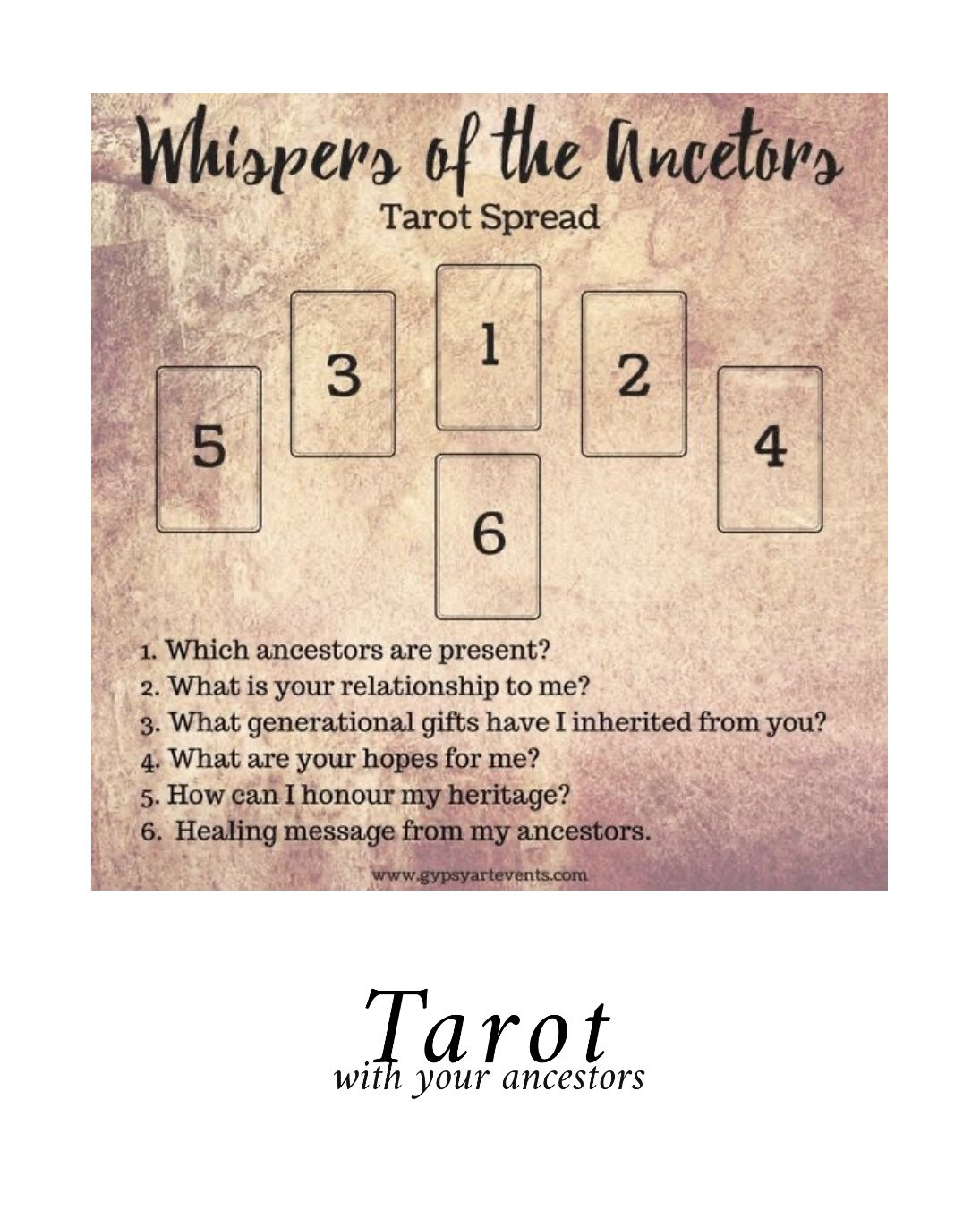
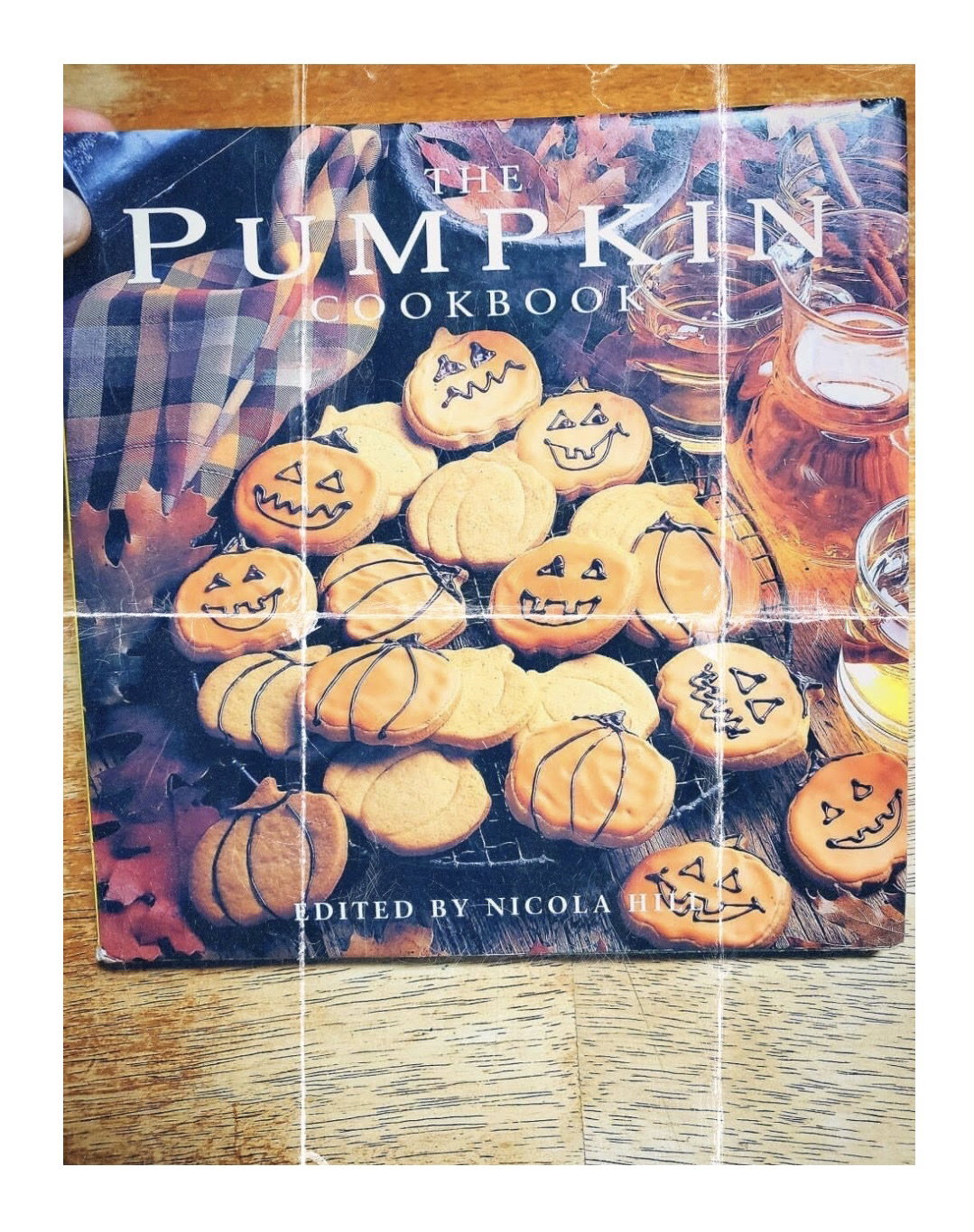
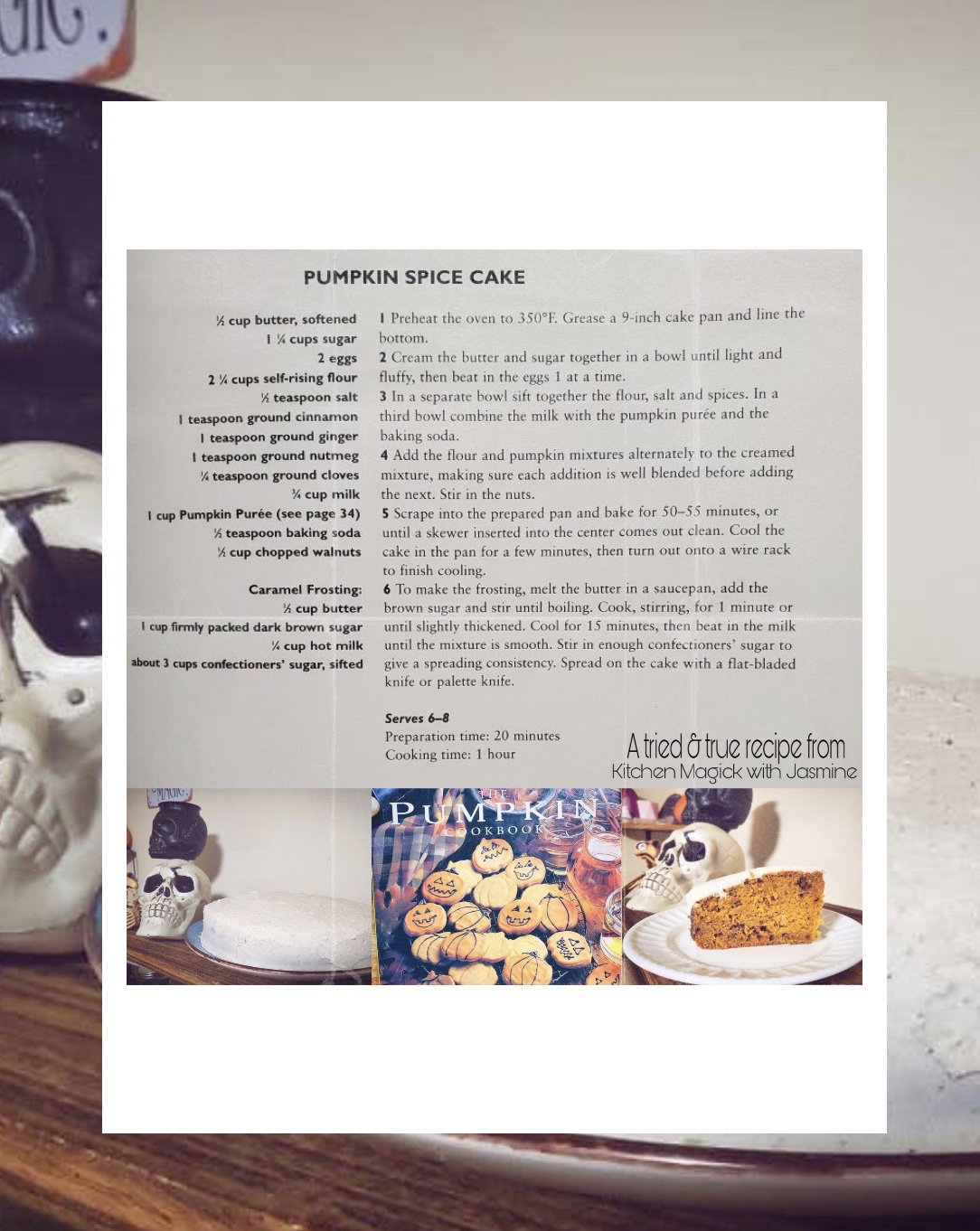
Activities: Recreate family recipes; divination; share family stories; build an ancestor altar; go on a nature walk; carve pumpkins
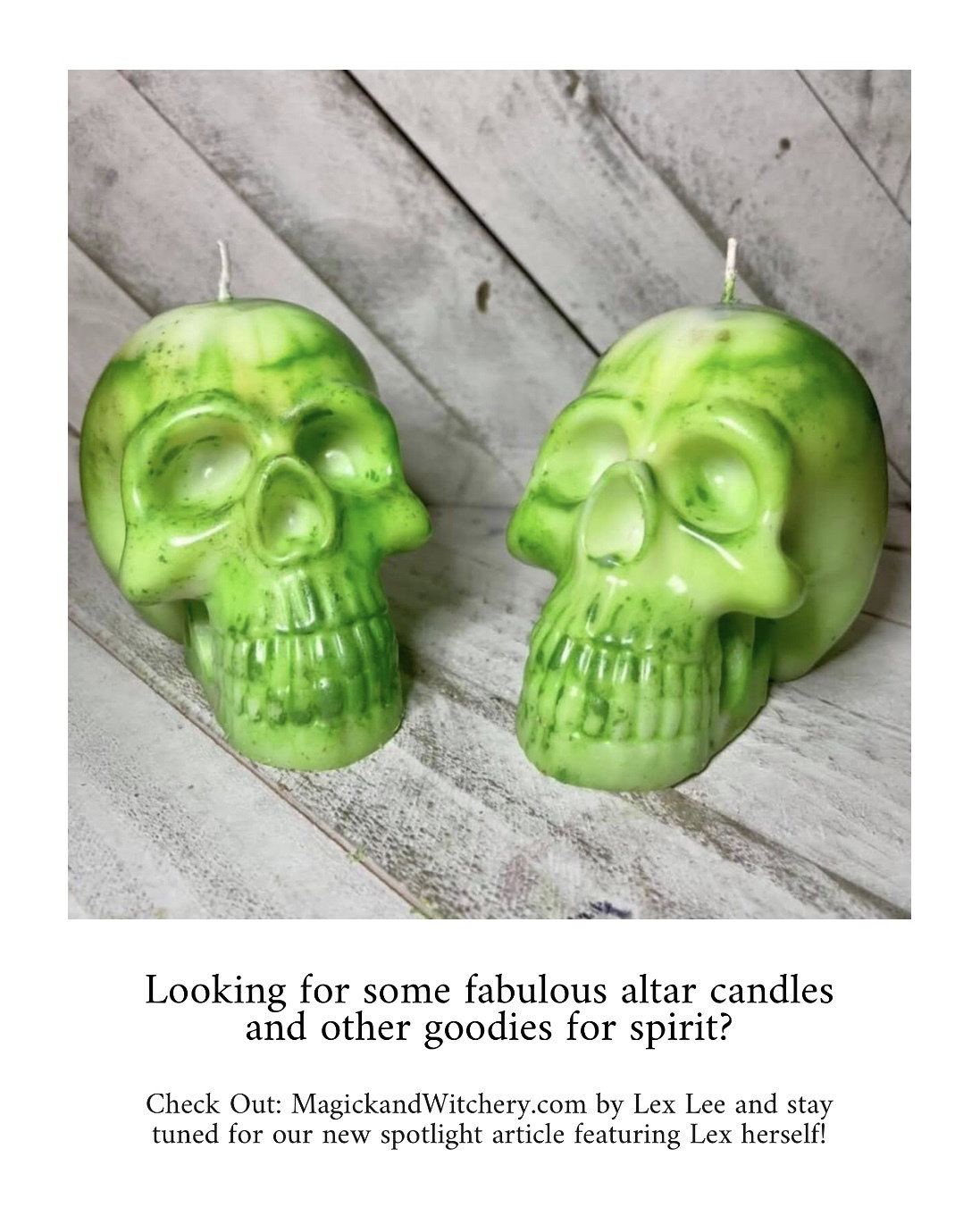
Decorations/Altar Tools: Pumpkins or gourds, black candles, cauldrons, autumn leaves, skulls
Incense/Crystals: Obsidian, sandalwood, sage, bloodstone, patchouli, rosemary, smoky quartz, sweetgrass, dragon’s blood, onyx
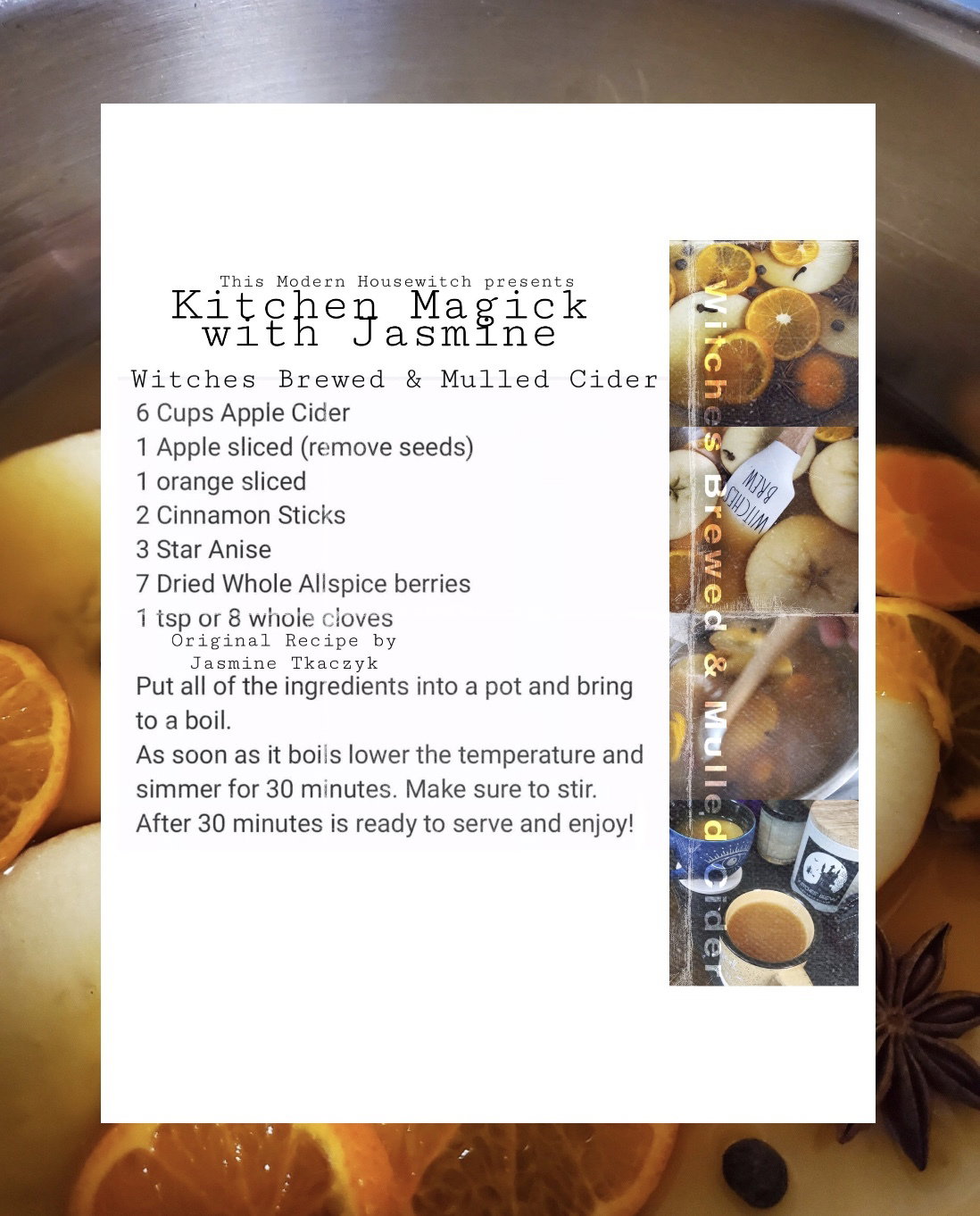
Foods: Apples, grains, pumpkin, stew, squash, potatoes, turnips, root vegetables, cider
Spellwork/Rituals: Divination; banishing; honoring the dead; clarity; past lives; endings and closures; protection; releasing and letting go; getting rid of bad habits
Deities: Crone goddesses; goddesses of death, rebirth, and transformation; Cerridwen (Keeper of the Cauldron); Hecate (Guardian of the Crossworlds); Persephone (Queen of the Underworld)
Blessed Samhain, Witches!
Be sure to Check Out Our Samhain Pinterest Board for more ideas …
